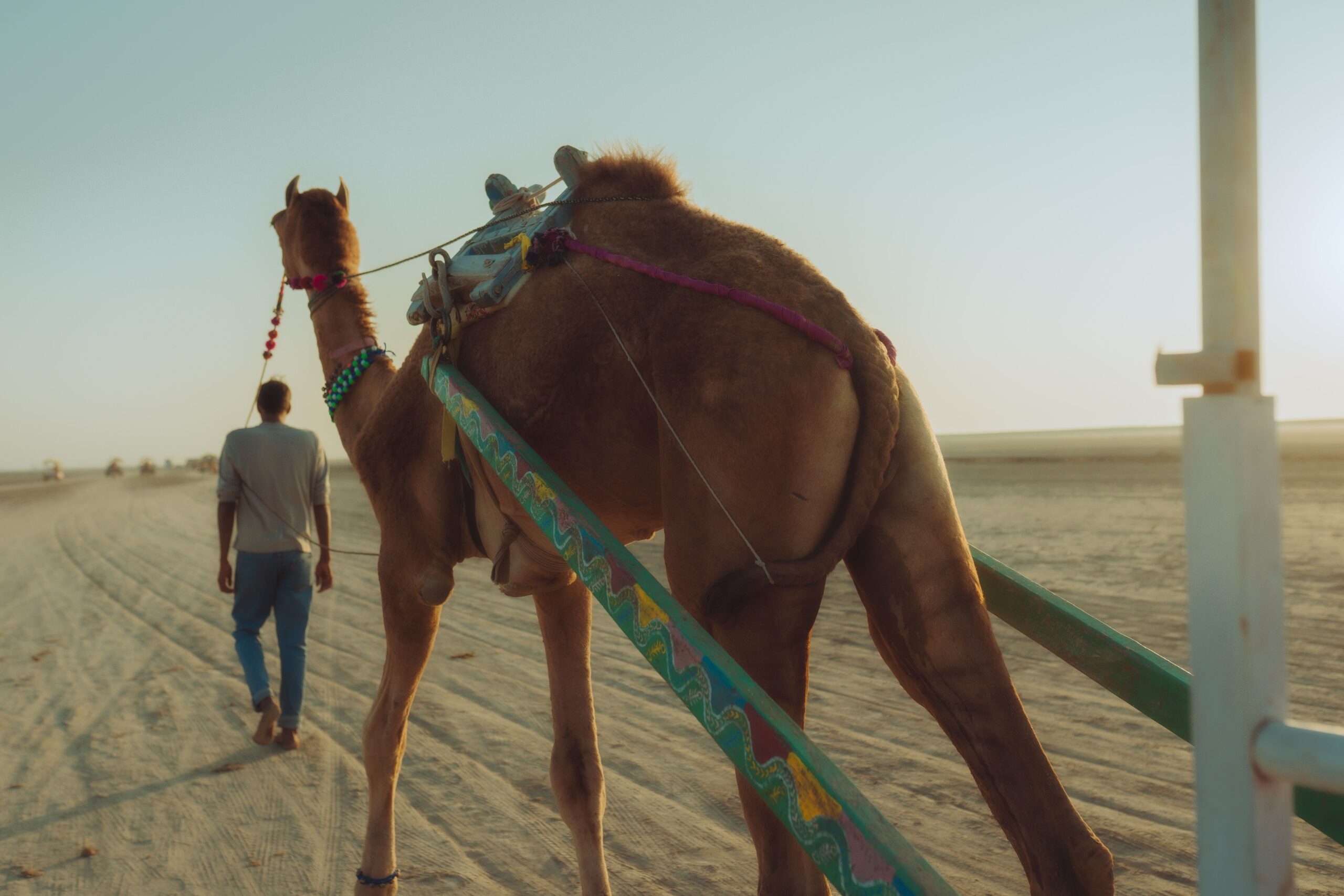

Kutch, the largest district of India, is a destination where natural beauty, ancient history, vibrant culture and unique landscapes come together. From the endless white salt desert of the Great Rann to the historic palaces of Bhuj, the peaceful beaches of Mandvi, the archaeological wonders of Dholavira and the traditional handicraft villages of Banni, Kutch offers a remarkable travel experience.
Located in the westernmost part of Gujarat, Kutch is surrounded by the Arabian Sea, the Great Rann and the Little Rann, giving it a distinctive geographical identity. The region is also home to centuries-old traditions, colourful embroidery, traditional architecture, rich wildlife and a fascinating history dating back to the Indus Valley Civilization.
Whether you are planning a weekend getaway, a family holiday, a cultural exploration or an extended road trip, this comprehensive Kutch tourism guide introduces you to the major attractions, hidden gems, religious destinations, travel routes and experiences that make Kutch a memorable destination.
1. Famous Tourist Places in Kutch
1. Great Rann of Kutch and Dhordo

The Great Rann of Kutch is the most iconic tourist attraction in the region and one of India’s most extraordinary natural landscapes. This vast seasonal salt marsh transforms into an immense white desert after the monsoon waters recede, creating a surreal landscape that stretches towards the horizon.
Located near Dhordo village, the White Rann is particularly famous for its breathtaking sunsets, moonlit nights and panoramic views. During a full moon, the white salt desert reflects the moonlight, creating an unforgettable visual experience.
The region also hosts the internationally recognised Rann Utsav, a cultural festival that showcases the traditions, music, dance, handicrafts and cuisine of Kutch. The festival features luxury tent accommodation, cultural performances, traditional food and opportunities to explore local crafts.
Top attractions: White Rann, full-moon views, Rann Utsav, cultural performances, photography and desert experiences.
Best time to visit: November to February.
2. Kalo Dungar (Black Hill)

At approximately 462 metres above sea level, Kalo Dungar is the highest point in Kutch and offers spectacular panoramic views of the Great Rann.
Located near Khavda, this destination is known for its scenic hilltop viewpoints and the historic Dattatreya Temple. According to local tradition, jackals are fed at the temple, an unusual practice that has become one of the area’s distinctive attractions.
Visitors can enjoy sweeping views of the salt desert, changing colours of the landscape and beautiful sunsets. The drive to Kalo Dungar itself is a memorable experience, passing through the distinctive terrain of northern Kutch.
Top attractions: Panoramic views, Dattatreya Temple, sunsets and photography.
Best time to visit: October to March.
3. Dholavira – The Ancient Harappan City

Dholavira is one of the most significant archaeological sites of the Indus Valley Civilization and a UNESCO World Heritage Site since 2021. Located on Khadir Bet in the Great Rann of Kutch, the ancient city dates back approximately 4,500 years.
The archaeological site reveals an advanced urban civilization with impressive city planning, sophisticated water management systems, fortified structures and large reservoirs.
One of Dholavira’s most remarkable features is its water conservation infrastructure. In a region with limited rainfall, the ancient inhabitants developed elaborate systems to collect, store and manage water, demonstrating exceptional engineering and urban planning skills.
The journey to Dholavira is equally fascinating, with vast desert landscapes, open horizons and the unique geography of Khadir Bet adding to the experience.
Top attractions: Ancient city ruins, reservoirs, fortifications, archaeological museum and desert landscapes.
Best time to visit: October to March.
4. Mandvi Beach

Mandvi Beach is among the most popular coastal attractions in Kutch. Situated along the Arabian Sea, the beach is known for its golden sands, scenic sunsets and relaxing seaside atmosphere.
Mandvi is also a historic port town with a long maritime tradition. The town’s traditional wooden shipbuilding industry is particularly fascinating, with craftsmen continuing techniques that have been passed down through generations.
Visitors can combine a relaxing beach visit with a tour of Mandvi’s historic streets, local markets, traditional food outlets and nearby attractions.
Depending on the season and local arrangements, visitors may also find camel rides, horse rides and other recreational activities along the beach.
Top attractions: Beach walks, sunset views, traditional shipbuilding, local food and coastal photography.
Best time to visit: October to March.
5. Vijay Vilas Palace

Located near Mandvi, Vijay Vilas Palace is one of the finest examples of royal architecture in Kutch. Built during the reign of Maharao Vijayrajji, the palace beautifully combines Rajput architectural traditions with other Indian and European influences.
The palace features intricate stone carvings, elegant balconies, domes, decorative windows and beautifully maintained gardens. Its elevated sections offer attractive views of the surrounding landscape and nearby coastline.
The palace has also served as a filming location for several Indian movies, adding to its popularity among visitors.
Top attractions: Royal architecture, gardens, intricate carvings, photography and historical heritage.
Best time to visit: October to March.
6. Bhuj – The Cultural Capital of Kutch

Bhuj is the administrative headquarters of Kutch and one of the region’s most important cultural and historical centres. It is also a convenient base for exploring several major tourist attractions across the district.
The city is home to historic palaces, museums, temples, traditional markets and important heritage sites. Bhuj offers visitors an insight into the royal history, craftsmanship and resilience of Kutch, particularly its recovery following the devastating earthquake of 2001.
Some of the most prominent attractions in Bhuj include Prag Mahal, Aina Mahal, Kutch Museum, Hamirsar Lake, Swaminarayan Temple and Smritivan Earthquake Memorial.
Top attractions: Heritage palaces, museums, traditional markets, temples and Smritivan.
Best time to visit: October to March, although Bhuj can be explored throughout the year.
2. Historical and Heritage Places in Kutch
7. Prag Mahal, Bhuj

Prag Mahal is an impressive 19th-century palace in Bhuj, known for its distinctive Gothic architectural style. Built during the reign of Maharao Pragmalji II, the palace features a grand clock tower, ornate stonework, high ceilings and spacious halls.
Its European-inspired architecture stands out among the traditional royal buildings of Kutch. Visitors interested in architecture, history and photography will find this palace particularly fascinating.
8. Aina Mahal, Bhuj

Aina Mahal, or the Palace of Mirrors, is a historic palace associated with Maharao Lakhpatji and the renowned craftsman Ram Singh Malam. Its interiors showcase decorative mirrors, colourful glasswork, intricate ornamentation and a blend of Indian and European influences.
The palace provides a glimpse into the artistic tastes, royal lifestyle and craftsmanship of the former rulers of Kutch.
9. Kutch Museum, Bhuj

Established in 1877, Kutch Museum is one of Gujarat’s oldest museums. It preserves the region’s rich cultural and historical heritage through collections of archaeological objects, coins, inscriptions, textiles, weapons, traditional musical instruments and tribal artefacts.
A visit to the museum helps travellers understand the evolution of Kutch’s communities, art forms and historical traditions.
10. Smritivan Earthquake Memorial and Museum

Situated on Bhujiyo Dungar, Smritivan is a memorial dedicated to those who lost their lives in the devastating earthquake of 26 January 2001.
The memorial combines landscaped spaces, commemorative installations and a modern museum featuring interactive exhibits about earthquakes, disaster management, science and human resilience.
It is one of the most significant places in Bhuj for understanding the impact of the earthquake and the remarkable recovery of the region.
11. Lakhpat Fort

Lakhpat, located in western Kutch, was once an important trading town with strong connections to regional and maritime commerce. Changes in trade routes and geography gradually reduced its commercial importance.
Today, its enormous fort walls, historic buildings and peaceful atmosphere offer a glimpse into its former prominence. The town also has religious significance, with a historic Sikh gurdwara and other places of worship.
Because Lakhpat lies in a sensitive border region, visitors should check current travel restrictions and security instructions before visiting.
12. Anjar

Anjar is one of the historic towns of Kutch, associated with regional folklore, traditional crafts and important cultural traditions.
It is particularly known for the legendary story of Jesal and Toral, which holds an important place in Gujarati and Kutchi folk culture. The town also offers traditional markets, religious sites and opportunities to explore local craftsmanship.
13. Bhadreshwar Jain Tirth

Bhadreshwar is an important Jain pilgrimage destination in Kutch, known for its temples, religious traditions and historic significance.
The temple complex reflects different periods of construction and restoration, shaped partly by the earthquakes that have affected the region. Its architecture and spiritual atmosphere attract both pilgrims and visitors interested in heritage.
14. Tera Fort

Located in the Abdasa region, Tera Fort is a lesser-known heritage destination that reflects the history and architectural traditions of western Kutch.
The historic fort and surrounding village offer a quieter experience away from the district’s major tourist centres. Tera can be included in a road trip covering the heritage villages and religious attractions of western Kutch.
3. Natural Attractions and Wildlife Destinations
15. Chhari Dhand – A Paradise for Birdwatchers

Chhari Dhand is an important wetland ecosystem in the Nakhatrana region of Kutch. The name refers to a shallow, often saline water body, and the area is particularly significant for migratory and resident birds.
During the winter months, the wetland can attract flamingos, pelicans, cranes, ducks and several other species of waterbirds. Its changing water levels and seasonal vegetation create a valuable habitat in the otherwise arid landscape of Kutch.
For birdwatchers, nature photographers and wildlife enthusiasts, Chhari Dhand offers an excellent opportunity to observe wetland biodiversity.
Top attractions: Migratory birds, flamingos, bird photography and wetland ecology.
Best time to visit: November to February, depending on water levels and bird activity.
16. Banni Grasslands – A Unique Landscape of Kutch

Banni is one of the most distinctive ecological and cultural landscapes in Kutch. Located north of Bhuj, this vast grassland region is known for its arid environment, seasonal vegetation, traditional pastoral communities and rich cultural heritage.
The region is home to several communities, including Maldharis, whose traditional livelihoods are closely linked to livestock rearing and the local environment.
Banni’s villages are also famous for traditional embroidery, decorative textiles, mud architecture and distinctive local lifestyles. Travellers can explore village culture, experience traditional hospitality and learn about the relationship between communities and their environment.
Top attractions: Grasslands, traditional villages, local handicrafts, rural architecture and cultural experiences.
Best time to visit: November to February.
Best time to visit: November to February.
17. Narayan Sarovar Wildlife Sanctuary
Located in western Kutch, Narayan Sarovar Wildlife Sanctuary protects a distinctive dryland ecosystem characterised by thorny vegetation, scrubland and semi-arid landscapes.
The sanctuary supports wildlife such as chinkara, wolves, desert cats, foxes and various bird species. Its unique environment makes it an interesting destination for nature enthusiasts and wildlife researchers.
The nearby Narayan Sarovar pilgrimage site and Koteshwar Mahadev Temple make it possible to combine nature exploration with a cultural and religious journey.
Visitors should check forest department regulations, permitted access routes and any restrictions applicable to wildlife areas.
Top attractions: Dryland wildlife, native vegetation, scenic landscapes and nature exploration.
18. Great Indian Bustard Conservation Area, Naliya
The grasslands around Naliya in western Kutch are important for the conservation of the critically endangered Great Indian Bustard, locally known as the Godawan.
This large ground-dwelling bird depends on open grassland habitats, which have become increasingly threatened by habitat loss and other environmental pressures.
The Naliya region is also significant for other grassland birds and wildlife. It attracts birdwatchers and conservation enthusiasts interested in understanding the ecology of arid landscapes.
Since the Great Indian Bustard is extremely rare, sightings cannot be guaranteed. Visitors must follow conservation guidelines and access restrictions.
Top attractions: Grassland habitats, birdwatching, conservation landscapes and native wildlife.
Best time to visit: Winter months, subject to local conditions and permitted access.
19. Pingleshwar Beach

Pingleshwar Beach, located in the Abdasa region, is a relatively peaceful coastal destination known for its sandy shoreline and open views of the Arabian Sea.
The nearby Pingleshwar Mahadev Temple adds religious significance to the area. Visitors can enjoy the coastal landscape, sea breeze and quieter atmosphere compared with busier beaches.
Facilities may be limited, so it is advisable to plan transport, drinking water and refreshments in advance.
Top attractions: Peaceful coastline, scenic views, beach walks and Pingleshwar Mahadev Temple.
Best time to visit: October to March.
20. Kadia Dhro – A Geological Wonder

Kadia Dhro, near Nakhatrana, is known for its dramatic rocky formations, natural ravines and distinctive geological landscape.
The area’s eroded rock formations and rugged terrain have made it a popular location for nature photography and short adventure trips. Its unusual landscape is sometimes compared with miniature canyon formations.
The terrain can be slippery or dangerous when water is flowing, especially during or after heavy rainfall. Visitors should avoid unstable edges and follow local safety advice.
Top attractions: Rocky formations, ravines, landscape photography and geology.
Best time to visit: During suitable dry-weather conditions, with extra caution during the monsoon.
4. Religious and Spiritual Destinations in Kutch
21. Mata No Madh – The Sacred Shrine of Ashapura Mata

Mata No Madh is one of the most important pilgrimage destinations in Kutch. Located in the Abdasa region, it is home to the famous Ashapura Mata Temple, which has deep historical and religious connections with the former rulers and people of Kutch.
Ashapura Mata is revered as a goddess who fulfils the wishes of devotees. The temple attracts large numbers of pilgrims throughout the year, particularly during Navratri, when the area comes alive with religious activities.
Mata No Madh is an essential destination for anyone exploring the religious heritage of Kutch.
Top attractions: Ashapura Mata Temple, Navratri celebrations and religious traditions.
22. Koteshwar Mahadev Temple

Located near the western edge of India, Koteshwar Mahadev Temple stands close to the Arabian Sea and is one of the most scenic religious destinations in Kutch.
The temple is associated with Hindu mythology and holds an important place in regional religious traditions. Its coastal location provides beautiful sea views and creates a peaceful spiritual atmosphere.
The temple is frequently visited along with Narayan Sarovar, making it an important stop on a western Kutch pilgrimage circuit.
Top attractions: Shiva temple, Arabian Sea views, coastal scenery and religious heritage.
23. Narayan Sarovar – One of the Sacred Lakes of Hindu Tradition

Narayan Sarovar is considered one of the five sacred lakes in Hindu religious tradition. Situated in western Kutch, it is an important pilgrimage destination featuring temples dedicated to various Hindu deities.
The temple complex includes shrines associated with Lakshminarayan, Trikamrayji, Govardhannathji and other deities. The area’s religious significance and historic architecture make it an important cultural destination.
The annual religious gatherings and traditional rituals attract pilgrims from different parts of Gujarat and beyond.
Top attractions: Sacred lake, historic temples, religious festivals and spiritual experiences.
24. Haji Pir Dargah
Haji Pir Dargah is an important spiritual destination in Kutch, associated with local traditions and popular religious beliefs.
The shrine is visited by devotees from different communities and reflects the region’s traditions of faith and cultural coexistence.
Its location in the western part of Kutch also makes it possible to include the dargah in a wider journey covering Mata No Madh, Narayan Sarovar and Lakhpat.
Check local security advice and travel restrictions before visiting border-region destinations.
25. 72 Jinalaya – A Remarkable Jain Temple Complex
Located near Mandvi, 72 Jinalaya is a significant Jain pilgrimage centre known for its impressive temple architecture and peaceful surroundings.
The temple complex is notable for its intricate stonework, decorative elements and religious atmosphere. It is an attractive destination for both pilgrims and travellers interested in architecture.
Its location makes it convenient to combine a visit with Mandvi Beach, Vijay Vilas Palace and other nearby attractions.
5. Traditional Villages and Handicraft Destinations
Kutch’s cultural identity is deeply connected to its villages, traditional crafts and generations of skilled artisans. Exploring these villages allows travellers to discover a side of Kutch that goes beyond conventional sightseeing.
26. Nirona – The Home of Rogan Art

Nirona is one of the most distinctive handicraft villages in Kutch, famous for its traditional Rogan art.
Rogan painting is a specialised textile art in which artisans use a thick, coloured substance to create intricate patterns on fabric. The technique requires considerable skill and precision, and the art has been preserved by a small number of traditional artisan families.
Nirona is also known for copper bell making and lacquered wooden crafts. Visitors may have the opportunity to observe artisans at work and learn about the techniques behind these traditional crafts.
Top attractions: Rogan art, copper bells, lacquer work and artisan workshops.
27. Bhujodi – The Traditional Weaving Village

Bhujodi, located near Bhuj, is one of Kutch’s most prominent textile and handloom centres.
The village is known for traditional weaving, including shawls, stoles, blankets, fabrics and other handmade products. Its artisans preserve distinctive patterns, traditional techniques and colour combinations that reflect the cultural identity of Kutch.
Visitors can explore weaving workshops, purchase handmade textiles and interact with local craftspeople.
Top attractions: Handloom weaving, traditional textiles, artisan workshops and craft shopping.
28. Ajrakhpur – The Centre of Traditional Ajrakh Printing

Ajrakhpur is internationally recognised for its traditional Ajrakh block-printing craft.
Ajrakh textiles are known for their geometric patterns, intricate designs and rich colours, traditionally created through a combination of natural dyes and carefully executed printing techniques.
The production process involves several stages, including fabric preparation, block printing, dyeing and washing. These techniques have been preserved through generations of artisan families.
A visit to Ajrakhpur offers an opportunity to understand the complex process behind one of Kutch’s most recognisable textile traditions.
Top attractions: Ajrakh block printing, natural dyeing, textile workshops and traditional fabrics.
29. Hodka – Experience Traditional Kutch Village Life
Hodka is a well-known village in the Banni region, offering visitors an opportunity to experience traditional Kutchi culture and rural hospitality.
The village is famous for its traditional bhunga houses, distinctive embroidery, local cuisine and community-based tourism experiences.
Bhungas are circular mud houses with conical roofs, designed to respond to the region’s climate and traditional construction practices. Some local accommodation facilities offer visitors the opportunity to stay in traditional-style houses and experience rural life.
Top attractions: Traditional architecture, local handicrafts, cultural experiences, village stays and regional food.
30. Dhordo and the Handicraft Villages of Banni
The villages around Dhordo and Banni provide an excellent introduction to Kutch’s traditional craftsmanship.
Visitors can discover colourful embroidery, mirror work, mud-and-mirror decoration known as Lippan art, traditional garments and locally produced handicrafts.
Exploring these villages also provides a chance to understand the cultural diversity of Kutch and the role of traditional crafts in supporting local communities.
Buying directly from local artisans is a meaningful way to support the region’s traditional livelihoods.
6. Other Places Worth Exploring in Kutch
31. Rudramata Dam and Temple

Located near Bhuj, Rudramata is known for its reservoir, surrounding landscape and religious significance. The area becomes particularly scenic after the monsoon, when the water body and surrounding terrain offer attractive views.
It is a convenient short trip for visitors staying in Bhuj who want to explore the area’s natural surroundings.
32. Kandla Port (Deendayal Port)

Kandla, officially known as Deendayal Port, is one of India’s major ports and a significant centre of maritime trade. It has played an important role in the economic development of Kutch and the growth of India’s western maritime economy.
The port is an interesting subject for visitors interested in trade, logistics and industrial development. However, it is an operational port with security restrictions, and general tourist access is not available throughout the premises.
33. Jakhau Port

Jakhau is a historic port on the western coastline of Kutch. The area is associated with traditional fishing activities and coastal communities.
Visitors interested in maritime life and the coastal geography of Kutch may find the region interesting. Access and activities should be planned in accordance with local security requirements.
34. Hamirsar Lake

Hamirsar Lake is one of Bhuj’s most recognisable landmarks and has historical importance in the city’s water management system.
The lake and its surrounding area offer a pleasant place for a walk, photography and relaxation. During and after good monsoon seasons, the lake becomes particularly attractive.
35. Dhrang – The Memorial of Mekan Dada

Dhrang is associated with Mekan Dada, a revered saint remembered for his service, compassion and contribution to local traditions.
The village is an important spiritual destination for devotees and offers an insight into the folk traditions and religious heritage of Kutch.
7. Suggested Kutch Travel Itineraries
Since Kutch is a vast district, planning your journey around geographical clusters can save considerable travel time. The following itineraries cover major attractions and can be adjusted according to your interests, starting point and available days.

Rann and Banni Circuit
Suggested duration: 2–3 days
- Bhuj
- Bhujodi
- Ajrakhpur
- Hodka
- Dhordo and the White Rann
- Kalo Dungar
Ideal for first-time visitors interested in the White Rann, traditional villages, handicrafts and scenic landscapes.

Mandvi and Coastal Circuit
Suggested duration: 1–2 days
- Bhuj
- 72 Jinalaya
- Vijay Vilas Palace
- Mandvi Beach
- Traditional shipbuilding areas
- Bhadreshwar
Suitable for travellers who enjoy beaches, history, architecture and coastal experiences.
Dholavira and Khadir Bet Circuit
Suggested duration: 2 days
- Bhachau
- Rapar
- Khadir Bet
- Dholavira
- Surrounding desert landscapes
A recommended route for history enthusiasts, archaeology lovers and travellers interested in ancient civilisation and remote landscapes.

Western Kutch Heritage and Pilgrimage Circuit
Suggested duration: 2–3 days
- Nakhatrana
- Mata No Madh
- Narayan Sarovar
- Koteshwar
- Lakhpat
- Haji Pir
Ideal for travellers exploring the religious heritage, historic settlements and landscapes of western Kutch. Check local access restrictions before departure.

Wildlife and Nature Circuit
Suggested duration: 2–3 days
- Chhari Dhand
- Banni Grasslands
- Naliya and the Great Indian Bustard region
- Narayan Sarovar Wildlife Sanctuary
Designed for birdwatchers, nature photographers and wildlife enthusiasts. Wildlife sightings and access depend on seasonal conditions and conservation regulations.
8. Best Time to Visit Kutch
Winter is generally the most comfortable season for exploring Kutch. Between October and March, temperatures are usually more favourable for outdoor sightseeing, long road journeys and visits to the White Rann.
| Month | Travel experience |
|---|---|
| October | Post-monsoon landscapes and the beginning of the tourist season |
| November | Comfortable weather and the start of the Rann Utsav period, subject to annual dates |
| December | White Rann experiences, cultural events and winter sightseeing |
| January | Full-moon desert experiences, festivals and pleasant daytime weather |
| February | Suitable for sightseeing, village tours and birdwatching |
| March | End of the main winter season, with temperatures gradually increasing |
| April–June | Very hot weather, making long outdoor excursions challenging |
| July–September | Monsoon season; travel depends on rainfall, water levels and road conditions |
For the White Rann, a full-moon visit can be a particularly memorable experience. However, entry permissions, visiting hours and festival arrangements can change each year.
Before travelling, check the latest information on the official
Gujarat Tourism website
9. How to Reach Kutch
By Air

Bhuj Airport is the main air gateway to the district. From the airport, travellers can arrange local taxis or other transport to reach Bhuj city and nearby tourist destinations.
Flight availability and schedules can vary, so check current connections before planning your journey.
By Train

Bhuj, Gandhidham, Anjar and Bhachau are important railway stations serving different parts of Kutch.
Rail connections from major cities provide convenient access to the district. For remote attractions such as Dholavira, Lakhpat and parts of western Kutch, onward road travel is necessary.
By Road

Kutch is connected by road to Ahmedabad, Rajkot, Jamnagar and other parts of Gujarat.
Private vehicles, taxis and buses can be used to reach the district. Within Kutch, a private car or hired vehicle is often convenient because major attractions are spread across long distances.
10. Essential Travel Tips for Exploring Kutch
- Check permits: Some areas around the White Rann and sensitive border regions require permits or have specific entry conditions.
- Plan distances carefully: Kutch is geographically extensive. Avoid trying to cover distant attractions in a single day.
- Carry drinking water: Keep sufficient water and refreshments, particularly when travelling through remote and arid areas.
- Prepare your vehicle: Check fuel availability, tyres and basic vehicle equipment before undertaking long road trips.
- Respect wildlife: Avoid disturbing animals and birds, follow sanctuary rules and do not litter in natural habitats.
- Respect local culture: Ask permission before photographing residents, artisans or private property in traditional villages.
- Prepare for temperature changes: Desert nights can be cold in winter, even when daytime temperatures are pleasant.
- Check local conditions: Confirm opening hours, road conditions, transport availability and access restrictions before leaving.
- Support local communities: Consider buying directly from artisans and choosing locally operated accommodation where available.
11. Local Food and Shopping in Kutch


A journey through Kutch is incomplete without exploring its distinctive cuisine and traditional handicrafts. The region’s food culture reflects its climate, local ingredients and diverse communities.
Popular local foods to try:
- Kutchi Dabeli
- Bajra Rotla with garlic chutney
- Khichdi and Kadhi
- Traditional Kutchi thali
- Kutchi Pakwan
- Gulab Pak and regional sweets
Local markets and artisan villages are excellent places to discover traditional crafts and souvenirs.
Popular handicrafts and products:

- Ajrakh block-printed textiles
- Traditional Kutchi embroidery
- Bandhani textiles
- Rogan art
- Lippan art and decorative crafts
- Handwoven shawls and fabrics
- Traditional copper bells
- Handmade jewellery and accessories
Bhuj, Bhujodi, Nirona, Ajrakhpur and Banni’s villages are among the most interesting destinations for visitors looking to explore and purchase authentic regional crafts.
Conclusion: Discover the Many Worlds of Kutch
Kutch is a destination where every journey reveals something different. The endless white landscapes of the Great Rann, the ancient streets and reservoirs of Dholavira, the royal heritage of Bhuj, the golden beaches of Mandvi, the cultural traditions of Banni and the wildlife habitats of western Kutch together create a diverse and memorable travel experience.
Beyond its famous attractions, Kutch offers something equally valuable: the opportunity to connect with its people, traditions, craftsmanship and extraordinary history.
Whether you are a first-time visitor, a photography enthusiast, a history lover, a wildlife explorer or someone looking for a peaceful holiday, Kutch offers experiences worth discovering in every season.
Explore Kutch, experience its heritage and discover the extraordinary beauty of Gujarat’s largest district.
.